
 Oils
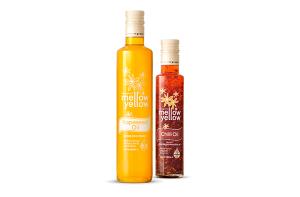
Oils Rapeseed Oil
 Chili Oil
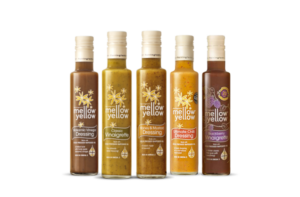 Dressings
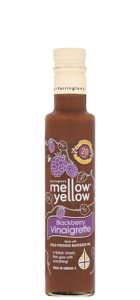 Blackberry Vinaigrette
 Classic Vinaigrette
 Balsamic Dressing
 Honey & Mustard
 Ultimate Chilli Dressing
Everyone has a favourite culinary oil in their kitchen, you may use different oils depending on the occasion. Some people worry that some oils may be ‘bad’, and others are ‘good,’ often picked up from different marketing messages, urban myths, or the occasional extreme sensationalist social media campaign.
Like most oils on the shelf, rapeseed oil has had its share of unfair criticism during it’s time. So, in this post – the second in our values campaign – we wanted to address some of the myths and talk more about all of the good stuff rapeseed oil brings to your health and your kitchen.
Balance of healthy fats
Rapeseed oil has an excellent balance of different fats which support our general health and well-being, including heart health and maintaining healthy cholesterol levels, brain, skin and eye tissue development. It also has the lowest saturated fat of any culinary oil at 6%, compared to olive oil 14%, butter 51%, coconut oil 91%. Read more about fats here.

Omega 3 is an essential fatty acid that we get from our diets to regulate cholesterol, aid brain and eye health as well as other bodily metabolic functions. It is found in certain nuts and seeds, including rapeseed, with a content of 10% in cold pressed rapeseed oil, compared to nothing in many oils including palm, sunflower and coconut oils, and only 1% in olive oil.
Not only is cold pressed rapeseed oil the only high temperature culinary oil to contain Omega-3, it also has the perfect balance of Omega-6 which we need in small amounts in our diet. We require around two parts of Omega-6 for every one part of Omega-3 – the exact ratio found in cold pressed rapeseed oil. It’s an important balance to strike for good health, but we often see it go off course – especially in the case of highly processed western diets which can result in people consuming excessive amounts of Omega 6 – leading to negative health outcomes like poor heart health, inflammatory disease and depression.
Enriched with vitamins
An excellent source of vitamins E, K and provitamin A – cold pressed rapeseed oil is a great way to consume small amounts of these daily vitamins for general health.
Vitamin E is a powerful antioxidant that helps maintain healthy skin and eyes, whilst serving as a natural immune booster. Vitamin K regulates blood clotting, whilst provitamin A (also known as
a carotenoid) is an important antioxidant in the prevention of various types of cancers, as well as playing a crucial role in heart and eye health.
Sunflower oil is a very good source of Vitamin E at 73%, with rapeseed and olive oils at 30%, whilst coconut oil only has 1%. Cold pressed rapeseed oil and other brassica crops are good sources of vitamin K. Whilst rapeseed oil has around 5 times the antioxidant properties of Carotenoids (provitamin A) compared to olive oil.
Powered by Plant Sterols
Plant sterols are natural, fat-soluble compounds found in plants that are very efficient at reducing cholesterol levels. They are considered to be the most effective single food that can lower cholesterol as part of a healthy diet and lifestyle.
Rapeseed oil is an excellent source of these healthy compounds, with over double the sterol content of extra virgin cold pressed olive oil. Much of the plant sterol properties are lost in refined oils, but our cold pressing method ensures that Mellow Yellow maintains these cholesterol-reducing properties, making it a preferable choice for health in comparison to refined rapeseed oil. Interestingly, the plant sterols that are lost in the refined rapeseed oil process, are isolated and sold on to food manufacturers, to add back into products allowing them to claim the health benefit: “contains plant sterols.” An unnecessary complication some might argue!
Erucic acid
Erucic acid is a bitter-tasting, mono-unsaturated fatty acid produced in many green plants, constituting 30 to 60% of the total fatty acid content of mustard seed and traditional rapeseed varieties. There has been much speculation on the negative effects of erucic acid on human health, though no confirmed negative health effects have been formally documented in humans.
This combination of bitterness and potential health concerns have led to many varieties of rapeseed oil being naturally bred with lower levels of erucic acid (with a legal maximum level of under 2% for culinary rapeseed oil), resulting in a more subtle, nutty flavour. At Mellow Yellow, the content is in the region of less than 0.02% – a result of the rigorous testing we carry out on the best quality seeds before we press a single drop of oil.
The difference is Mellow Yellow
We believe a healthy, varied and balanced diet trumps the wide array of manufactured nutritional supplements you can buy off the shelf. It’s championing home cooking instead of processed food. And making authentic ingredients that are grown ethically and sustainably for health and not quick financial gain. That’s the Yellow Mellow ethos. That’s the Mellow Yellow value.
We hope you try our Rapeseed oil in your recipes, bring a little heat to the table with our subtle award-winning Chilli Oil and use our delicious salad dressings to add flavour and support the digestion of fat-soluble vitamins in your salads.
Why not browse our recipes and try something new? Not only will you be getting great quality and value for money, but a big win for health too
Global pandemics, inflation, conflicts, food shortages, climate change…. there’s no denying the fact that the world faces multiple challenges right now, many of which are having a big impact on the cost of living and consequently, the cost of food.
Here at Farrington’s Mellow Yellow, we’ve seen first-hand how this has impacted production lines – raising the price tag for everyone along the way, and eventually you – the end consumer. We’ve fought hard to keep the cost of our Mellow Yellow Rapeseed Oil and dressings as low as possible and we wanted to share a little bit about how (and why) we’ve chosen to do that.
Making good quality rapeseed oil accessible
Food brings people together and is a wonderful salve during testing times. A symbol of a life shared, cooking is a part of who we are, and we firmly believe that putting a great meal on the table, made with quality ingredients, shouldn’t cost a small fortune.
There are a few reasons why we’ve seen the prices of culinary oils explode in the last two years. The Ukrainian conflict, combined with the extreme heat and wildfires in the Mediterranean have led to huge inflationary pressures, with prices doubling in many cases. Whilst the initial shocks of the conflict have somewhat subsided, the continued difficulties in olive oil producing regions due to extreme weather conditions and disease destroying olive trees, is leading to a longer-term shortage of olive oil globally, with escalating price increases as a result.
While many oils have increased in price, at Farrington’s Mellow Yellow we have manged to keep price rises to an absolute minimum. This of course, hasn’t come without challenges! The cost of our electricity tripled at one point and the price of our glass bottles increased dramatically due to the high energy used to manufacture glass. It’s been tricky at times, but we have managed to pick our way through the hurdles to avoid the difficult scenario of hefty price increases and wage decreases, ensuring that our loyal team continue to have fair and reasonable pay. And you – our loyal customers – can continue to enjoy Farrington’s Mellow Yellow in all of your favourite dishes.
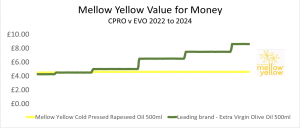
The graph below illustrates how Mellow Yellow Cold Pressed Rapeseed Oil compares to a leading brand of olive oil over the last two years, showing that you can continue enjoying the wonderful taste, versatility, health and sustainable values of Mellow Yellow, without costing the earth.
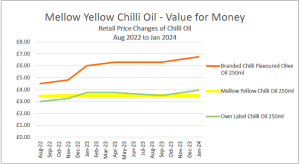
This next graph shows a similar story with our delicious chilli oil which is gaining a loyal following of customers who enjoy something a little warmer in their recipes or simply drizzled over pizza, salad and favourite meals.
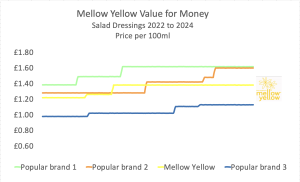
This final graph shows how Farrington’s Mellow Yellow dressings remain excellent value for money in comparison to other leading brands. We have compared prices against similar products, but it is only a Mellow Yellow dressing that is made from unrefined cold pressed rapeseed oil, with great quality ingredients and absolutely ZERO additives, preservatives, or artificial stabilisers.
There are of course cheaper alternative dressings, but many of these come with a long list of processed ingredients. Mellow Yellow dressings are made just as you would do at home, but with our thoughtful ingredient profile and delicious flavours, you can leave the hard work to us and simply enjoy drizzling Farrington’s Mellow Yellow on your favourite salads!
Whatever your choice in oils and salad dressings, if you haven’t already tried the delicious flavours of Farrington’s Mellow Yellow, now is the perfect opportunity to search them out knowing that not everything good costs the earth. And if you’re an existing customer who is enjoying Mellow Yellow products in your home cooking, we would like to give you our heartfelt thanks for supporting our family business. We hope that our great values continue to inspire you!
Here at Farrington’s Mellow Yellow, we are very proud of the delicious range of rapeseed oils and salad dressings produced on our farm. Ever since launching Mellow Yellow in 2005 as the first cold pressed rapeseed oil in Britain to be sown, grown, pressed and bottled on the farm, I have been driven by the ambition to produce the very best we can; to create sustainable food with quality and integrity at its heart. From our small beginnings producing a few bottles a year, to today, with the support of our dedicated team in our factory at Bottom Farm, those values remain as important today as they were on day one.
Over the coming months, we’ll be sharing with you some of the core values behind Mellow Yellow. Because in the current climate, we believe that value is imperative to get right – for you, our valued consumer, but also for everyone involved in the journey from seed to bottle.
It could be the health values of Mellow Yellow, which as a cold pressed rapeseed oil has the lowest saturated fat of any culinary oil; is high in Omega-3; and packed with cholesterol busting plant sterols (over twice as much found in extra virgin olive oil, for example). Then there is value for money. At a time when the price of food is rising alongside the escalating cost of living, Farrington’s Mellow Yellow products offer exceptional value in comparison to many alternatives, some of which have more than doubled in cost.
We’ll look at the environmental and social values of Mellow Yellow, which as an oil grown from British rapeseed to LEAF Marque standards sets the bar for others to follow. The appreciation for our team – the heart and soul of our business – all of whom are signed up to the Living Wage Foundation, ensuring jobs that are valued with fair pay for all. Indeed, we are delighted to be accredited by the Good Business Charter and VERY proud to be a recipient of the Queen’s Award for Enterprise for Sustainable Development.
Lastly, let’s not forget the values of Farrington’s Mellow Yellow in your kitchen; as an excellent roasting oil with its high smoke point, or its subtle nutty flavour – a truly versatile ingredient for so many recipes. And our delicious salad dressings – each made with quality, additive-free ingredients, so you can confidently drizzle onto salads and into marinades, knowing there’s nothing unrecognisable in our quality blends.
People often ask us what they can use their bottle of Mellow Yellow for, so we created a huge bank of recipes to inspire you to get creative in the kitchen. From breakfast and baking to dairy-free, family meals, dips (and everything else in between) there’s plenty of inspiring ways to enjoy Mellow Yellow and try something new.
Value for people and planet is at the heart of everything we do here at Farrington’s Mellow Yellow, and I hope you’ll join us as we share more about the importance of values to us as a business.
Duncan Farrington.
Mellow Yellow Cold Pressed Rapeseed Oil is a fantastically healthy choice for your cooking oil, so we know that lots of people choose our products when they are following various diets, for example, Weight Watchers, Slimming World, the 5:2 diet and many others.
In order to make it as simple as possible for those following these diets, we have worked out the nutritional information for the full Mellow Yellow range depending on the diet you’re following. If you would any other nutritional information about our range of products, please get in touch with us on info@farrington-oils.co.uk.
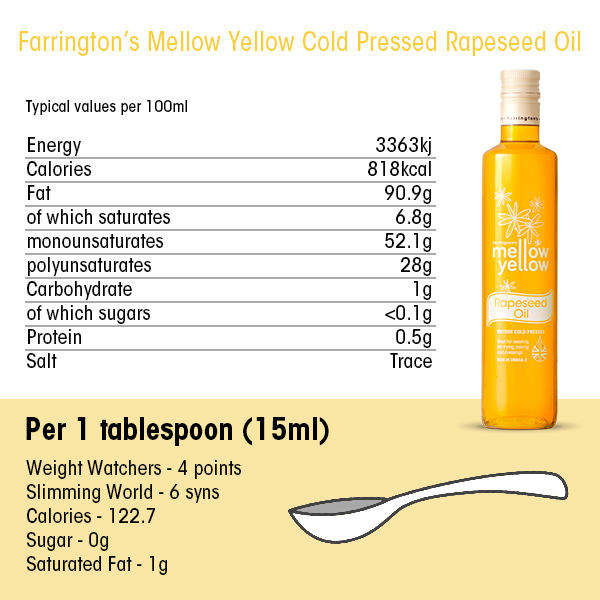
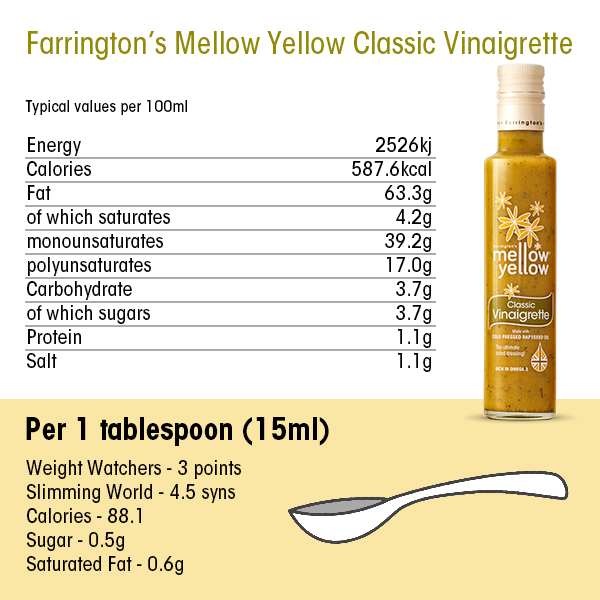
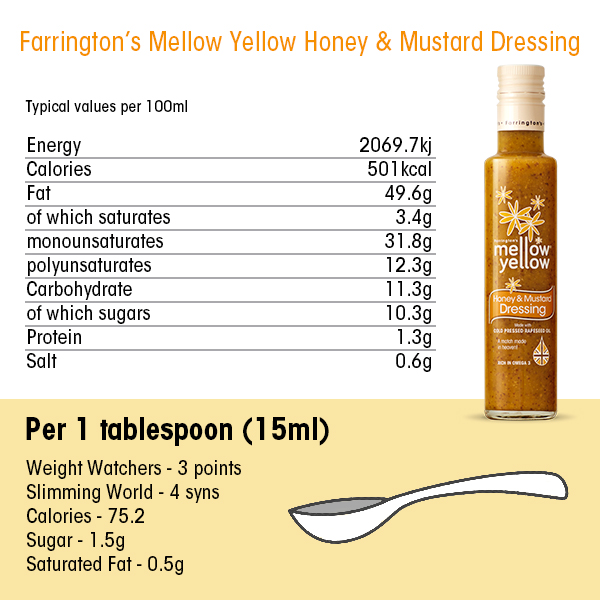
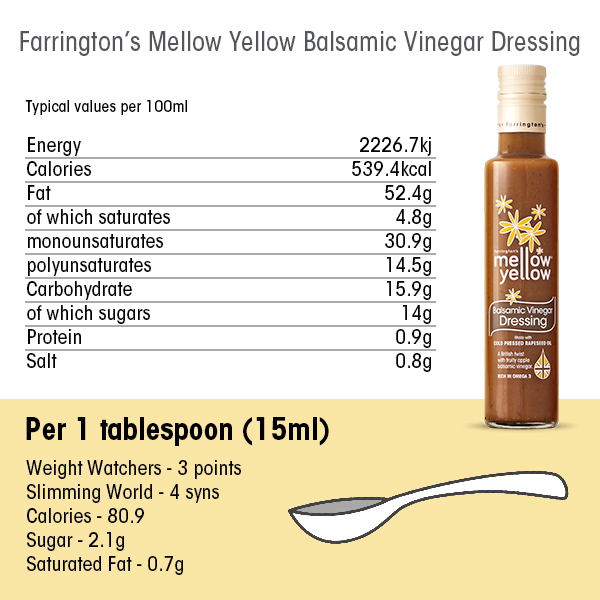
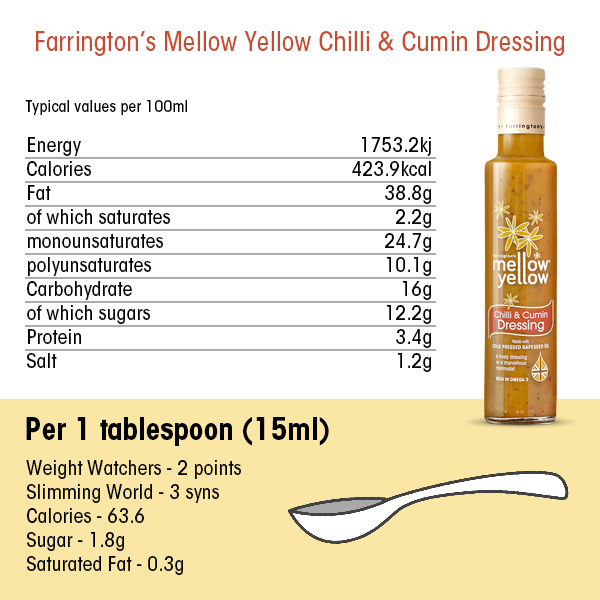
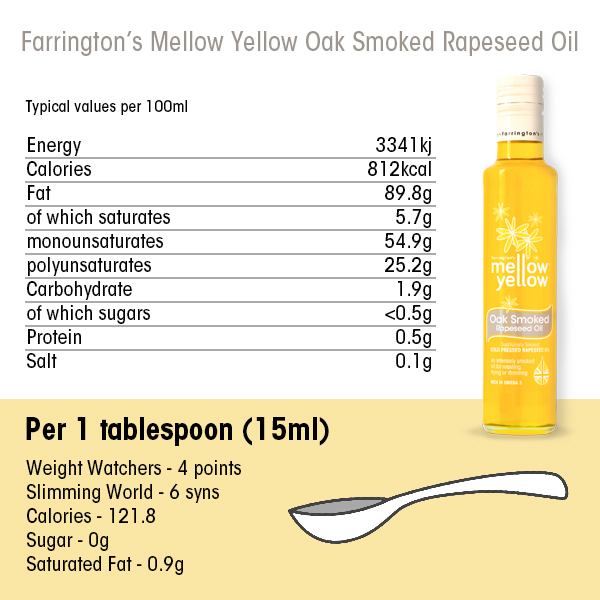
If you would like to learn more about the nutritional properties of Mellow Yellow Rapeseed Oil, we have a number of articles written by The British Nutrition Foundation:
– Introduction to Healthy Fats
– Comparison of Different Culinary Oils
“Salads are good for us.”
Everyone agrees with this statement as we are encouraged to eat five portions of fruit and vegetables, including salads, every day. Salads provide an essential source of vitamins, minerals, anti-oxidants and fibre, as well as being a delicious meal or accompaniment to meals. So why are we telling you to never eat a salad naked?
As people become more aware of healthy diets, the desire for low fat, low sugar or low salt meals and ingredients increases. This is especially so with oils, mayonnaises and salad dressings as ‘low fat’ or single calorie sprays become increasingly popular. At Farrington’s Mellow Yellow we often speak to customers who are keen to eat a healthy low-fat diet, to the extent that they don’t like to put salad dressings or mayonnaise on their salad with the aim of reducing their fat intake. The logic and ambition may be good, but a quest to reduce calorie intake by eating a salad un-dressed actually deprives people of the fantastic health promoting nutrition locked up in the salad. Not only is a fat required to absorb the nutrition within a salad, dressing a salad makes it more interesting and delicious to eat, helping you to make it a regular and enjoyable part of your diet. Also consideration should be given to the choice of fat used, but more on that later.
Salads are a wonderful source of vitamins and carotenoids. Vitamins play vital roles in health and body metabolism, along with their interaction with minerals required in the diet. We need to take vitamins in small regular amounts in our diet as the body can not store them and they can even be harmful if taken in excess. Vitamins are either fat soluble or water soluble, with Vitamins A, D, E and K being fat soluble. Salads contain fat soluble vitamins, so unless a salad is dressed with an oil-based dressing or mayonnaise, it is very difficult for the body to absorb these vitamins. By eating a healthy, balanced diet, there is no need for vitamin supplements to be taken.
Carotenoids are the naturally-occurring pigments in foods, with fruits and vegetables providing most of the carotenoids in the human diet. They play important roles in the body as powerful anti-oxidants; from the prevention of various types of cancers and chronic heart disease, to the maintenance of healthy eyesight. Carrots, known to help us see in the dark, get their orange colour from Alpha and Beta-Carotene. While the yellow colour of Mellow Yellow Cold Pressed Rapeseed Oil comes from carotenoids called Luteins, containing around five times more than in extra virgin olive oil.*
Carotenoids are fat-soluble compounds so, just like the fat-soluble vitamins, to get the best nutritional benefit from colourful salad ingredients such as peppers, carrots, spinach and tomatoes, dress your salad with a fat to allow your body to absorb the carotenoids. However, research has shown that the type of fat eaten also affects how well we can absorb carotenoids from food. For example, a salad dressing made with an oil rich in mono-unsaturated fats, such as cold pressed rapeseed oil, absorbs more carotenoids compared to a dressing made with oils rich in saturated or poly-unsaturated fats, such as soybean, palm, sunflower or coconut oils for example. So not only should you ensure your salad is dressed with a fat, you should try to ensure the fat is rich in mono-unsaturates.

Why you should never eat a salad naked:
– Adding fat to salad allows your body to process the fat-soluble vitamins
– Using an oil rich in mono-unsaturated, such as cold pressed rapeseed oil, helps the body absorb anti-oxidant caratonoids
– Adding flavour helps motivate you to eat healthy salads regularly by making them more enjoyable
So, whether you are a purest and enjoy your salad simply drizzled with oil, like to pimp up a lettuce leaf creatively with a salad dressing, or if you prefer an indulgent dollop of mayonnaise; remember never eat a salad naked. The best dressed salads not only taste better, but make their nutritional delights all the more enjoyable. And just pause to think if a single calorie spray oil, a low fat salad dressing or mayonnaise really is as healthy as you first thought? Not to mention what actually goes into making some of those so-called healthy options…
But as far as the clothing you chose to wear, or not, while enjoying your favourite salad, we’ll leave that up to you.
* Crude rapeseed oil contains up to 95 mg/kg carotenoids, comprising about 85-90% luteins and 7-10% as carotene (Gunstone 2004). Extra virgin olive oil also contains luteins and carotene, but at levels of up to 20mg/kg only (Bosku, 2009) i.e., it only contains around one fifth the carotenoid antioxidant properties of rapeseed oil.
Bosku D., (2009). Olive oil Minor Constituents and Health CRC press p52.
Gunstone F D., (2004). Rapeseed and Canola Oil; Productrion, Processing, Properties and Uses, Blackwell Publishing
Cooking oils are a type of fat. Fat is a macronutrient (like protein and carbohydrate) that is made up of fatty acids. With so many different cooking oils available, most people don’t know which oil they should be using in their cooking for the healthiest results and often ask us what is the healthiest oil to cook with . This article will help to explain the different factors you should consider when choosing which oil to cook with.
What should we consider when looking at what is the healthiest oil to cook with?
When trying to decide which oil to cook with, we need to look at the following things. (We’ll explain each one a bit later on!)
– Saturated fat
– Unsaturated fat
– Trans fat
– Omega 3, 6 and 9
– Smoke point
– Vitamins and minerals found in the oil
What is fat?
Fat is a macronutrient (like protein and carbohydrate) and is made up of fatty acids. These fatty acids can be classified as saturated or unsaturated depending on their chemical structure. Unsaturated fatty acids include monounsaturated fatty acids and polyunsaturated fatty acids.
All fats provide 9 calories (kcal) per gram, regardless of the levels of saturated and unsaturated fatty acids, the big difference is the effect these fats have on your cholesterol levels so we need to ensure that we eat the healthiest fat we can.
Fat is a good source of energy and we need some fat in our diet to help us absorb the fat soluble vitamins A, D, E and K.
Within the body, fatty acids form part of our cell membranes and fat also helps to insulate and protect our internal organs, contributing towards maintaining our body temperature and is involved in lots of body processes such as the development of our brains and the communications which occur between different cells. Cholesterol is needed to produce bile acids, which help us to digest food, and also some of our hormones.
What is Saturated Fat?
Saturated fat is found in foods such as fatty meats, hard cheese and butter.
High intakes of saturated fat have been shown to raise levels of ‘bad’ (LDL – Low Density Lipoproteins) cholesterol in the blood. High blood cholesterol increases the risk of developing heart disease and stroke by building up in our arteries, causing them to narrow. It is best to eat foods that contain less saturated fat.
An easy way to tell if your oil contains high levels of saturated fat is whether it is solid at room temperature, if it is, it most likely contains a high amount of saturated fat.
Chemically speaking, saturated fats have don’t have any double bonds between their carbon atoms in the fatty acid chain.
What is Unsaturated Fat?
Often called ‘good fat’, unsaturated fat help to maintain a healthy cholesterol level and have even been known to help lower levels of harmful cholesterol. Unsaturated fats are either monounsaturated or polyunsaturated.
Our bodies are able to make most of the specific fatty acids we need apart from two polyunsaturated fatty acids which we must get from our diet. These two fatty acids are alpha linolenic acid (an omega 3 polyunsaturated fatty acid) and linoleic acid (an omega 6 polyunsaturated fatty acid). Our bodies need these for brain development, growth and for a healthy immune system.
Omega 3 and 6 are called essential fatty acids as we need to obtain small amounts of them from our diet. Alpha linolenic acid is found in rapeseed, walnut and soya oils and spreads made from these. Linoleic is also found in plant based oils such as sunflower, corn, peanut, rapeseed, olive, safflower, sesame, walnut and soya oil and spreads made from these. Both of the essential fatty acids are present in smaller amounts in foods such as meat, eggs and oily fish. Ideally our bodies need Omega 3 and Omega 6 in the right balance of one part Omega 3 to every two parts Omega 6.
What about Trans Fat?
These are the worst types of fat and should be avoided wherever possible as they have been known to increase blood cholesterol levels. Typically, foods with hydrogenated oils likely contain trans fats, such as fried foods, takeaways and hard margarines.
As you can see, the levels of saturated and unsaturated fat in your cooking oil is very important. We have broken down the most common oils in the simple table below for you.
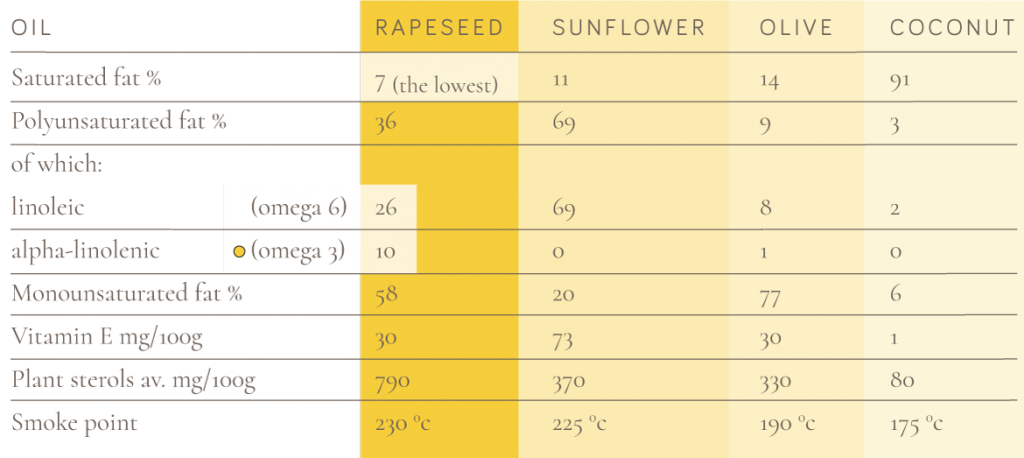
* Ideal balance of Omega 3 to Omega 6.
Does Smoke Point matter?
Other than the levels of different fats in your oil, if you are cooking with oil, you need to ensure that the smoke point is suitable. It can be dangerous to take an oil over its smoke point as this can cause the chemical structure to break down, which is why we always recommend cold pressed rapeseed oil for high temperature cooking as it has a smoke point of 230°C.
Are Vitamins and minerals found in oil?
Some oils, especially those that are cold pressed, can contain naturally occurring vitamins and minerals. Plant sterols can also be found in some oils, learn more about these in our blog post.
Cold pressed rapeseed oil contains vitamin E, vitamin K and catotenoids including provitamin A. Vitamin E is an important antioxidant and vitamin K is needed for efficient blood clotting. Provitamin A is essential for healthy skin, eyesight, growth and reproduction and, carotenoids contain luteins which are an antioxidant and give the oil its distinctive yellow colour.
So what is the healthiest oil to cook with?
We want an oil with low saturated fat, high unsaturated fat (including both polyunsaturated and monounsaturated), a high smoke point and containing as many other vitamins and minerals as possible.
The obvious choice has to be cold pressed rapeseed oil (but we would say that, wouldn’t we!) From the table, we can see that cold pressed rapeseed oil has the lowest saturated fat levels, a good balance of both types of unsaturated fat, a high smoke point and also contains vitamin E and plant sterols.

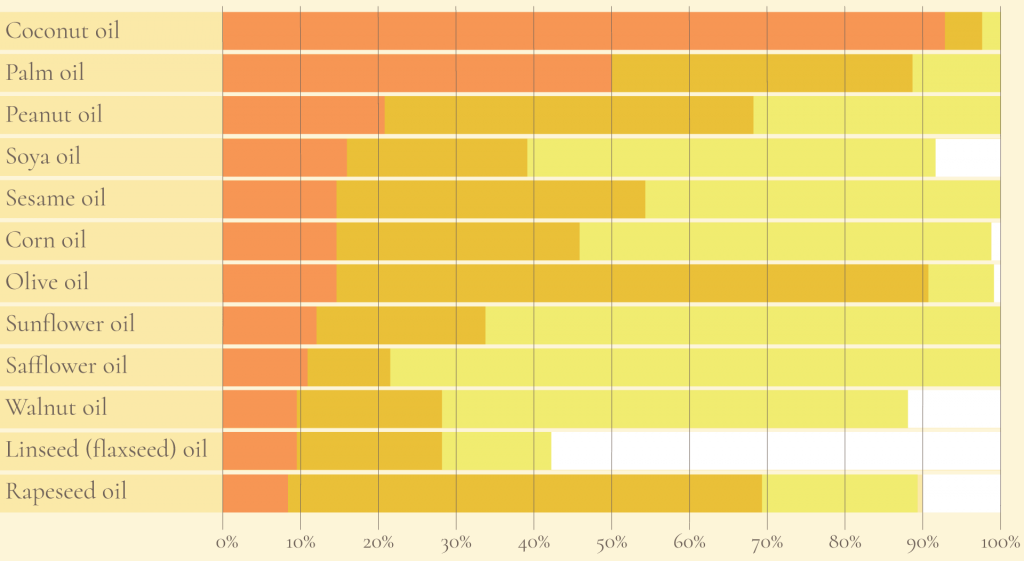
All oils contain a mixture of unsaturated fat and saturated fat and the healthiest ones to use are those with the lowest saturated fat and highest unsaturated fat.
So, if you’re asked what is the healthiest oil to cook with, you now know that you want an oil with a low saturated fat content and high in unsaturated fat. Cold pressed rapeseed oil is ideal, find out more here and find stockists here.
We are often asked at Farrington’s what is meant by the term ‘cold pressed’ in Farrington’s Mellow Yellow cold pressed rapeseed oil? A good question that does need some explaining.
Extracting oil from seeds and fruits such as rapeseed and olives is one of the world’s oldest forms of food processing. This along with grinding seeds into flour from wheat or making alcohol from barley for beer, or grapes for wine. The traditional method to extract oil is by mechanical ‘cold pressing’. If you have enjoyed a Mediterranean holiday, you may have seen an old big wooden olive oil press in the middle of a village square. Fresh olives would be poured into the press, a donkey would walk in a continual circle and the press would squeeze the fruit until the oil came trickling out.
In Britain we don’t grow olive trees, but we do grow rapeseed and have done since the Romans first brought it here over 2000 years ago. No doubt they would have used something similar to the donkey driven press to extract oil from the seed. However, for the last hundred plus years, oil has been extracted from seeds in Britain mainly by the industrialised method known as the ‘pre-press solvent extraction process’. This was developed as a highly efficient system of extracting oil, using high temperatures around 85°C, with the addition of a solvent (think of nail varnish remover or paint thinners), following which the oil is degummed, neutralised, dried, bleached and deodorised. Although this is a complicated process, it is a highly efficient way to extract large volumes of refined oil cheaply, with the resulting bland, colourless oil being ideal for many food manufacturing processes, as it does not flavour or colour the foods being made.
Many oils are produced in this way the world over, including olive oil, sunflower oil, groundnut oil, corn oil, rice bran oil, as well as rapeseed oil.
It wasn’t until the advent of package holidays in the 1970’s, that we started to become aware of more exotic types of culinary oil and other exotic foods. This resulted in British food starting to get a bit more colourful and a little less bland. By the time I launched Farrington’s Mellow Yellow in 2005 as Britain’s first ‘seed-to-bottle’ cold pressed rapeseed oil, people were happy to give cold pressed rapeseed oil a go.
Going back to the original question of what does ‘cold pressed’ mean and why is it better…
Firstly, cold pressed is just that, we simply squeeze the seeds mechanically to extract the pure oil, without any additional heat being used, then pass the oil through filters a bit like a large tea strainer to remove any sediment. This means that the process is slow and inefficient compared to the refined process, so less oil is extracted from the seed. As a comparison, our cold pressed rapeseed oil leaves around 12% oil in the seed, whereas the industrialised method will only leave around 1%. However, nothing is wasted. Once the seed has been pressed, the leftover seed husks are shaped into rape meal pellets and given to farm animals as nutritious feed.
Additionally, cold pressed oils retain their natural character as nature intended. The most obvious being a superior taste and appearance compared to a refined oil. Cold-pressed rapeseed oil has a mild taste with subtle nutty or seedy flavours. Farrington’s Mellow Yellow, for example, has flavours of raw groundnuts, hazelnuts or sunflower seeds, whilst this flavour is underpinned by buttery undertones. Some people can taste the buttery flavour and not the nutty one. Mellow Yellow is also clean and light on the tongue, with no bitter aftertaste. These subtle or mellow flavours make it ideal to be used as a salad dressing oil, allowing the ingredients it is mixed with to come through, giving a different character to a dressing made with an olive oil, for example. Whilst the same mellow flavour makes the oil ideal for all types of cooking from baking breads and cakes, to seafood recipes and, also for roasting and stir-frying vegetables.
Rapeseed oil is naturally yellow in colour hence the name ‘Mellow Yellow.’ This is down to the presence of carotenoids. Carotenoids play important roles in the prevention of various types of cancers, heart disease and eye health. People are increasingly looking for benefits from natural sources of carotenoids found in several unprocessed foods. Cold pressed rapeseed oil mainly consists of a carotenoid group called luteins, important for healthy eye function. This is almost completely removed in refined oils.
Plant sterols are another health promoting micronutrient found in cold pressed rapeseed oil, shown to help lower cholesterol levels. Although the sterol levels in rapeseed oil are too low to make official health claims, it is an excellent source compared to other oils. Again, however many of these important micronutrients are lost in refined oils.
Whether it is the delicious taste, the wonderful colour, the knowledge that you are enjoying pure, unadulterated food with its naturally healthy properties, or just the fact that a cold pressed oil reminds you of holidaying in Greece, there are no end of reasons to use Mellow Yellow cold pressed rapeseed oil. There is a genuine difference in the provenance of cold pressed oils compared to their bland and less exciting refined versions. And, research shows that consuming cold-pressed unrefined rapeseed oil is an important part of a healthy diet and lifestyle.
For more information on our Mellow Yellow Cold Pressed Rapeseed oil, click here and to find out where to buy our Cold Pressed Rapeseed Oil you can use out Store Finder here.
Duncan Farrington takes a closer look at what are fats, the different types of fats and clears up some of the confusion surrounding them:
We often hear contradicting messages about what we should and should not eat in our diets, we are told some foods are ‘good’ and others are definitely ‘bad’. It is confusing and frustrating sometimes not knowing what to do for the best. I really believe in keeping things simple when it comes to eating a healthy diet, plus being honest with myself in the choices I make. For example, I personally enjoy spending an evening with friends over a couple of beers, but if I was to do this every evening of the week, over time it would lead to unhealthy consequences. The choice is mine.
What are fats?
In our diet, we need the right balance of macro and micro nutrients. Macro nutrients are the main food groups of carbohydrate, protein and fat. If we eat a balance of the three macro nutrients, preferably in as broader range of different foods as possible and ideally in a non-processed diet, we will also get all the micro nutrients of minerals and vitamins needed in our diet too.
As a very simple rule of thumb, a healthy diet consists of plenty of fruit and vegetables, plus around a third of our daily food intake coming from each of the main food groups – carbohydrate, protein and fat.
 Carbohydrates are found in foods such as cereals and rice, bread, potatoes, pasta, sugar.
Proteins are found in meats, fish, pulses.
Fats are found in cooking oils, fats and nuts.
It can become more confusing when we consider that most foods contain a mixture of the different food groups. For example, milk and dairy foods contain carbohydrates, proteins and fats as well as important vitamins and minerals. Fruits are a great source of minerals and fibre, but also contain carbohydrates (sugars). Eggs have both protein and fat. However foods such as biscuits and cakes are equally high in fat and sugar.
Fat is a crucial part of our diet, it is the most efficient source of energy, it helps our bodies absorb fat soluble vitamins, such as vitamins A,D,E and K. Fats play crucial roles within our bodies from cell membrane formation, to the development of our brain and even communication between different cells. They also insulate organs and contribute towards maintaining body temperature.
Like other food groups, fats are also complex, they are formed from fatty acids and can be split into three main types; Saturated, Poly-unsaturated and Mono-unsaturated. These terms are simply a description of the molecular make up of the particular fatty acid in ratio of the carbon to hydrogen atoms and how they are bonded together. Don’t worry about the chemistry – I struggle with it myself. However, just as we need a balance of macro nutrients in our diets, we also need a balance of the different fats, with around an equal split between saturated, poly-unsaturated and mono-unsaturated fats being a simple rule of thumb.
The much-heralded Mediterranean diet is shown as an example of healthy eating, where the population had much lower cases of heart disease compared with northern European populations. The Mediterranean diet is low in saturated fat, mainly comprising of olive oil, oily fish which contains poly-unsaturated fats and plenty of fruit and vegetables. This compared with a traditional northern European diet which is high in saturated fat, mainly from animal fats and not enough fruit and vegetables. It is important to recognise that the total fat consumed in the two diets was similar, it was just that one was in the right balance, where the other was not.
An easy way to recognise a saturated fat is that it is solid at room temperature, only becoming liquid once it is heated. Over the years, successful health messages have resulted in greater awareness of the need to reduce our saturated fat intake in Britain, which has been largely successful. We now eat less fatty meat and more sources of plant-based fats.
Oily fish is an important part of the Mediterranean diet because it is a good source of poly-unsaturated fatty acids. Poly-unsaturated fatty acids play vital roles in the reduction of cholesterol in our bodies as well as being crucial for healthy brain and eye development. They are often called essential fatty acids, as the body can only get them in the diet and can not make them internally. These fats can also be found in certain nuts and seeds such as rapeseed, sunflower seed or peanuts. As nutritionists became aware of the need and role of poly-unsaturated fats in the diet following World War II, food companies developed non-dairy spreads to replace butter which has a higher saturated fat content with ‘healthier’ alternatives such as sunflower or corn oil, these have less saturated fat and higher poly-unsaturated fats. However, over the years, knowledge and learning about these complex fatty acids increased, to discover that poly-unsaturated fats are also made up of different types which can be broadly categorised in to Omega 3 and Omega 6. Not only did scientists discover the different types of poly-unsaturated fats, they also discovered that bodies need to consume these in an ideal balance of around two parts of Omega 6 for every one part of Omega 3.
With this new-found knowledge, it was also realised that the oils traditionally used to make non-dairy spread, were good sources of Omega 6, but had little or no Omega 3. Additionally, people who eat a high proportion of processed foods, much of it using sunflower, corn or palm oils for example, were in fact eating an unhealthy ratio of Omega 6 to Omega 3 of up to 20 times to 1, compared to the ideal of 2 to 1, causing other bad health issues in our diet. Some responsible food manufacturers have recognised this problem and have replaced such unbalanced fats with better options. A good example is a leading brand of non-dairy spread which used to be made with sunflower oil, which had the strap line in advertising campaigns in the 1980’s about it being ‘high in poly-unsaturates’, even though sunflower oil has no omega 3. The recipe was completely changed to replace sunflower oil with rapeseed oil, which has the perfect balance of poly-unsaturated fats in a ratio of 2.6g of Omega 6 for every 1g of Omega 3.
The final type of fat we need in our diet is mono-unsaturated. Mono-unsaturated fats are found in plant foods such as nuts and seeds, with olive oil and rapeseed oil being rich sources of these fats, as well as avocados for example.
For more information on what are fats and the role of fats in our diet, look at https://www.farrington-oils.co.uk/interesting-oil/ which also includes three excellent articles form the British Nutrition Foundation.
As I said at the start, information and advice can be confusing and frustrating, but for my part I stick to my own rules of:
Eat a well-balanced diet, around a third each of carbohydrate, protein and fat
The broader the diet of different foods and meals I enjoy, the better
Eat a well-balanced diet of the different fats
‘Good’ and ‘Bad’ foods don’t really exist, it is just the quantity of each that makes a difference
Be honest with yourself – I know what treats to enjoy sparingly and what I should eat more of. More cabbage, less biscuits!
For more information, The British Nutrition Foundation has written independent articles for us on The Importance of Fats, Introduction to Healthy Fats and A Comparison of Different Culinary Oils.
Did you know that cold pressed rapeseed oil is a great, heart-happy oil? Are you looking to improve your health? Well we have one simple change for you that will help you with this goal. Mellow Yellow Cold Pressed Rapeseed Oil is a brilliantly healthy, British cooking oil that is grown, pressed and bottled in Northamptonshire. Read on to find out more about all the fantastic health benefits of cold pressed rapeseed oil…
Top 4 Health Benefits of Cold Pressed Rapeseed Oil
Low saturated fat
A balance of Omega 3 and Omega 6
Contains Vitamin E
Naturally occurring plant sterols
Low saturated fat
Saturated fat is usually found in high levels in fatty meats, full fat dairy products, coconut oil and lard. For many years, health professionals have advised against consuming high amounts of saturated fat as they have been shown to raise your LDL (Low Density Lipoprotein) levels. LDL is known as ‘bad’ cholesterol as high levels of LDL blood cholesterol increases the risk of heart disease by building up in our arteries and causing them to narrow. Cold pressed rapeseed oil, however, has very low levels of saturated fat. This is one of the major health benefits of cold pressed rapeseed oil! For more information from the British Heart Foundation, click here.
A balance of Omega 3 & Omega 6
Mellow Yellow Cold Pressed Rapeseed Oil contains both Omega 3 and Omega 6. These are essential fatty acids that the body is unable to produce itself so we need to ensure that we consume these in our diet. These two essential fatty acids contribute to brain development, growth and maintaining a healthy immune system. It is important that we consume these two fatty acids in the correct ratio as found in cold pressed rapeseed oil. It is this ratio that makes this one of our top health benefits of cold pressed rapeseed oil. We have more information on Omega 3 and 6 on our Health and Nutrition page.
Contains Vitamin E
Another of the health benefits of cold pressed rapeseed oil is that it contains vitamin E. Vitamin E occurs naturally in cold pressed rapeseed oil and is needed for a strong immune system and healthy eyes and skin.
Naturally occurring plant sterols
Last but not least in our top health benefits of cold pressed rapeseed oil are the naturally occurring plant sterols found in this brilliant oil. Plant sterols are fat-soluble compounds found in some vegetables, nuts and seeds, including rapeseed. They are similar in structure to cholesterol therefore when eaten, plant sterols compete with cholesterol for absorption into the bloodstream. Our bodies find it easier to absorb plant sterols as they block the cholesterol from being absorbed. This results in the cholesterol passing through and out of the body via the stool. Find more information here.
Comparison of oils:
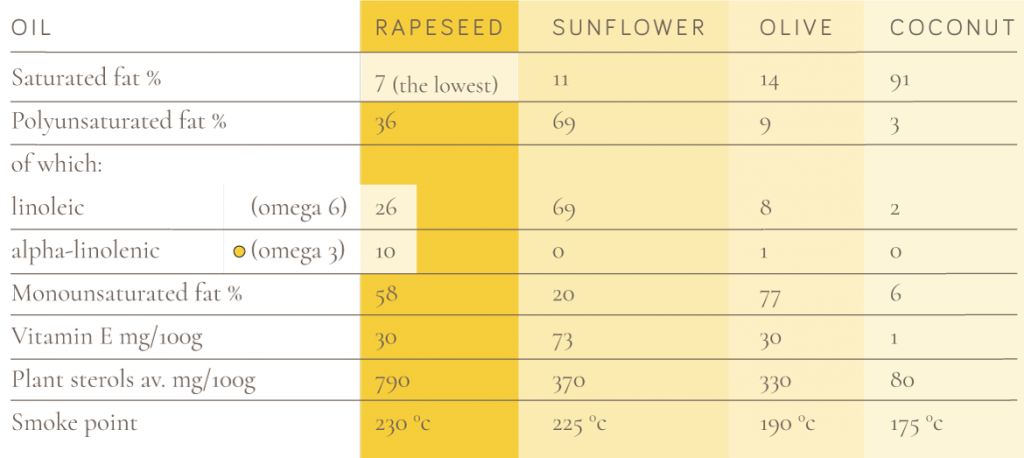
With these brilliant health benefits of cold pressed rapeseed oil, it’s easy to see why so many people are swapping to Mellow Yellow Rapeseed Oil! Find out where to buy here.
If you want to know more about cold pressed rapeseed oil, how we produce it, how it grows, the simple way we press the seeds to produce our cold pressed rapeseed oil and more on what is so special about cold pressed rapeseed oil, have a look at this article!
For recipe inspiration on what to cook with cold pressed rapeseed oil, visit our Recipe page here.
Christmas is just around the corner so now is the perfect time to share with you some of our favourite recipes, hints and tips for festive cooking! The Mellow Yellow team has all contributed a recipe or a favourite tip to help you ensure this is the best Christmas yet.
Tips For Roasties…
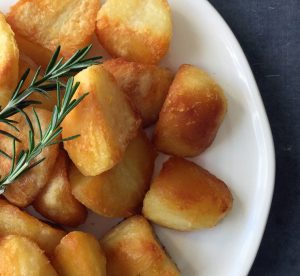
Roast potatoes – Make sure you use Farrington’s Mellow Yellow Rapeseed Oil. Thanks to its high smoke point, it helps you achieve extra crispy roast potatoes as it performs brilliantly at high temperatures. Take a look at Joanna’s freezer tip below if you want to save time on your roasties.
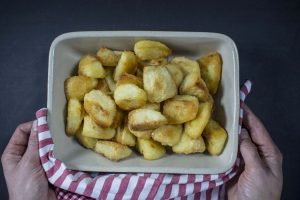
To save time on the big day, parboil and freeze your potatoes a few days earlier. Then once your meat is out of the oven, heat up Farrington’s Mellow Yellow Rapeseed Oil in a roasting dish until nice and hot, then put in your parboiled potatoes from frozen. This will make EVEN crispier roast potatoes, and save you a bit of space on the hob. (As heard by Joanna on Radio 2.)
Mince Pies

Mince Pies – Homemade mince pies really are so much better than shop bought ones, plus our recipe has a secret addition of chopped apple in the mincemeat that elevates the flavour!
A different way to eat a mince pie – Heat it up and take the lid off, pop a slice of stilton inside while it’s still hot then put the lid back on. Enjoy your sweet and savoury treat! (Rachel promises us this is delicious.)
Any other tips?
Use roasting bags for a juicy turkey and start with a clean oven to make the clean up easier! If you’re not feeding the five thousand, buy a turkey crown as it’s solid meat, takes less time and fits in a roasting bag perfectly! (Jo’s top tips for a stress-free Christmas!)
Leftover Christmas Cake? Don’t waste it, instead cut into large chunks, cover with clingfilm then foil, and freeze. (Gina’s favourite way to keep Christmas going until Spring)

Chestnut Stuffing – Emily’s Christmas dinner highlight
Ingredients:
100g bacon
50ml Mellow Yellow Rapeseed Oil, plus extra for greasing tin
1 onion peeled and chopped finely
150g sliced mushrooms
250g chestnut puree
250g tin whole chestnuts ground like breadcrumbs
Small tin or tube of liver pate
3 large cloves of garlic chopped finely
1 tablespoon (15ml) dried oregano
50g fresh breadcrumbs
1 lightly whisked egg
Salt and black pepper to taste
Method:
Cut any rind off the bacon and chop into small cubes. Put Mellow Yellow Rapeseed Oil into pan and fry bacon and onion for about 3-5 minutes. Transfer to a bowl with all the fat and stir in well with all the other ingredients and check seasoning. Grease baking tin with Mellow Yellow oil and cook in a preheated oven at 180c for 45 minutes.
Boozy Cranberry sauce – Richard’s way to add a kick to lunch time
This is one to start this year ready for next Christmas as it needs 10-12 months to infuse. But its a great thing to start during any time off you have this Christmas!
Firstly make cranberry Gin as you would sloe gin:
Ingredients:
450g/1lb Cranberries, frozen will work
225g/8oz caster sugar
1 litre/1¾ pint gin
Method:
Prick the skin of the cranberries all over with a clean needle and put in a large sterilised jar. Pour in the sugar and the gin, seal tightly and shake well. Store in a cool, dark cupboard and shake every other day for a week. Then shake once a week for at least two months. After 10-12 months strain the cranberry gin through muslin into a sterilised bottle . Once you have strained the gin, cook the soaked cranberries down to a jam like consistency adding a little salt and or sugar to taste. And there you go, delicious homemade boozy cranberry sauce, plus cranberry gin for a festive G&T!
Find more recipes here.